
The Ultimate Guide to Sourcing High-Quality Timber: What International Buyers Need to Watch For
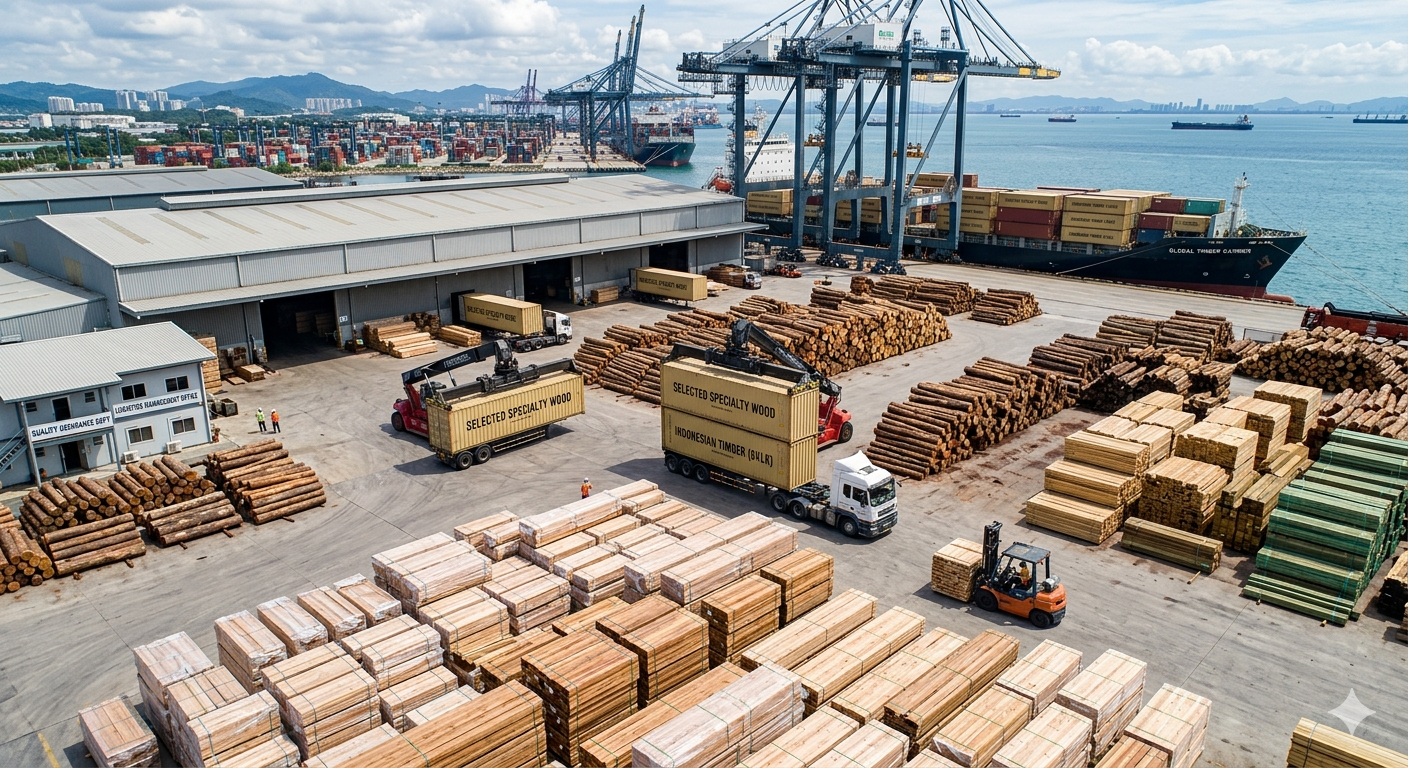
In today’s global market, sourcing timber internationally offers significant opportunities for furniture manufacturers, wholesalers, and importers. However, international timber trade requires more than simply finding competitive prices. Buyers must ensure consistent quality, proper documentation, and reliable long-term supply partnerships. A single shipment with poor moisture control or inconsistent grading can result in production delays, financial losses, and damaged client relationships.
Moisture Content Control: The Foundation of Timber Quality
One of the most critical factors in timber sourcing is moisture control. Wood naturally absorbs and releases moisture depending on environmental conditions, which means improperly dried timber can warp, crack, or split during shipping and storage. Reliable suppliers therefore invest heavily in advanced kiln-drying systems to achieve international moisture standards, typically between 6% and 12% for indoor furniture applications.
Professional buyers should always request technical information regarding kiln-drying procedures and moisture testing before confirming any purchase order. Proper moisture management not only improves structural stability, but also ensures smoother machining, finishing, and long-term durability of the final product.
Grading Consistency and Technical Standards
Another essential consideration is grading consistency. International buyers need clear specifications regarding knots, sapwood, color variation, and surface appearance. Premium furniture manufacturers commonly require clear grade timber with minimal defects, while rustic or natural-style furniture may intentionally utilize character grade materials that showcase natural grain patterns and knots.
To avoid misunderstandings, suppliers should provide written grading specifications aligned with internationally recognized systems such as NHLA standards or equivalent grading rules. Clear technical communication between buyer and supplier plays a major role in maintaining product consistency across shipments.
Legal Compliance and Sustainable Sourcing
Modern timber trade is also heavily regulated to prevent illegal logging and unsustainable forestry practices. Importers entering the United States must comply with the Lacey Act, while European buyers must meet EUTR and EUDR requirements. Failure to comply with these regulations can result in severe penalties, cargo confiscation, and reputational damage.
For Indonesian timber exports, SVLK certification remains one of the most important indicators of legal and sustainable sourcing. International buyers increasingly prioritize suppliers who can provide transparent documentation and globally recognized legality certifications to ensure full compliance with international trade requirements.
Conclusion
Successful timber sourcing depends on technical transparency, quality consistency, and long-term trust. Suppliers who prioritize proper kiln-drying, standardized grading systems, and legal compliance are far more capable of supporting international buyers in maintaining reliable supply chains and high product standards. In the global timber industry, long-term success is built not only on competitive pricing, but also on professionalism, consistency, and credibility.